



Top 9 Plant-Based Supplements: A Guide for Vegans and Vegetarians
Ensure optimal health on a plant-based diet with essential vegan and vegetarian supplements like B12, iron, and omega-3. Learn how to meet your nutritional needs naturally!
 By WOWMD Staff

 Fact Checked
Advertiser Disclosure: WOWMD independently vets all recommended products. If you purchase a featured product, we may be compensated. Learn why you can trust us.

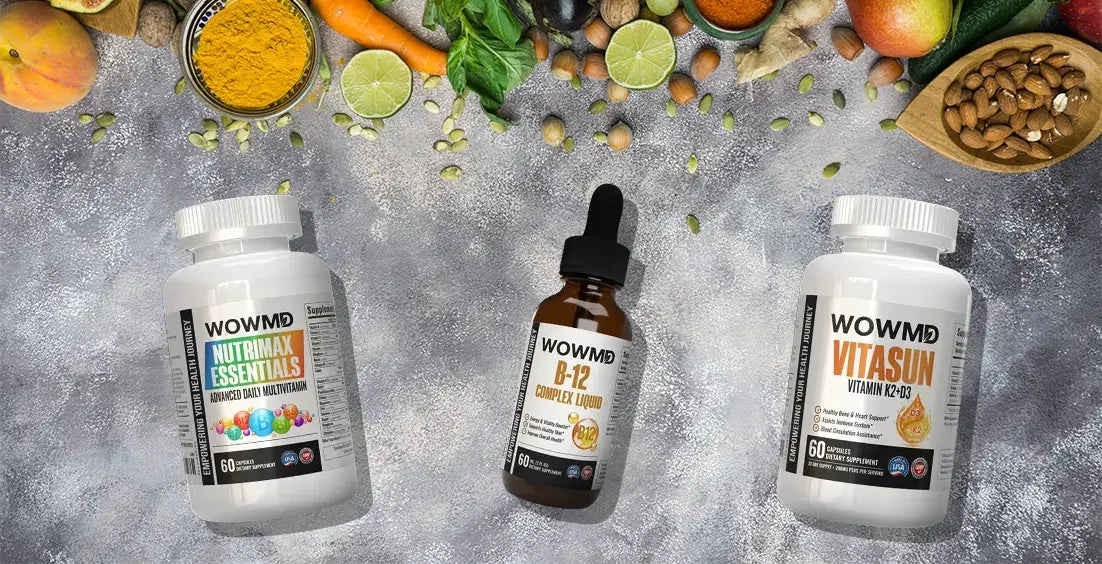
Plant-based vegetarian and vegan diets are all the rage in current decades and a nutrient-rich, balanced regimen may offer benefits like lowering blood sugar, supporting heart health, decreasing the risk of diabetes, and helping with weight management.
If you follow a plant-based diet, however, you have to plan your meals carefully to ensure that you are getting enough of the essential nutrients your body requires. While some nutrients you cannot easily derive from a vegetarian or vegan regimen, you can fill the gaps by taking plant-based supplements.
In this article, we explore which vegan or vegetarian supplements individuals on a plant-based diet should consider taking for optimal health and well-being.
TL;DR - Essential Supplements for Plant-Based Diets
- A plant-based diet has many health benefits but may lack essential nutrients like B12, D, Omega-3s, Calcium, Iron, and Zinc.
- Vegans and vegetarians should supplement to avoid deficiencies and maintain heart, brain, and bone health.
- High-quality plant-based supplements or vegan multivitamins can help close nutritional gaps.
- Always choose supplements from reputable brands, that are third party tested and consult with a health professional for personalized advice.
Why Do Vegans and Vegetarians Need Supplements?
While a vegetarian diet includes no meat or seafood, it does allow for eggs and dairy products. Individuals on a vegan diet avoid all animal-derived products, including meat, fish, dairy, eggs, and honey.
Despite the potential health benefits of a well-planned plant-based diet, this regimen may be lacking in key nutrients derived primarily from meat sources like Vitamins B12, D, and K, iron, fatty acids, and zinc. Individuals who follow a vegan diet may also have difficulty getting the optimal amount of calcium required for bone, heart, and muscle health.
When it comes to planning a well-rounded diet, be it meat or plant-based, it's essential to ensure that you are getting all of the nutrients your body requires. Those who eat meat but follow a poor diet may also be lacking in essential vitamins and minerals and may require supplementation.
In today’s health-driven world, there are multiple plant-based vegetarian and vegan supplements available to fill in the gaps and ensure ideal health.
Let’s look at these formulations closely and discuss which supplements you should consider taking if you follow a plant-based regimen.
What Experts Say About Plant-Based Supplements?
Registered Dietitian Ginny Messina, MPH, says;
"While a well-planned vegan diet can be incredibly healthful, certain nutrients like Vitamin B12, Vitamin D, and long-chain omega-3s (DHA/EPA) are not reliably available from plant foods alone. Strategic supplementation with these specific nutrients is crucial for optimal vegan health and longevity."
Are Plant-Based Supplements A Better Option?
Supplements may be either synthetic, meaning laboratory-developed, or natural products with ingredients taken from whole foods. Natural formulas are more easily absorbed by the body, come from healthy food sources, and could have fewer side effects than synthetic products.
In addition, natural products often include added bioactive agents for more potent benefits. When it comes to natural formulas, some do include animal-derived compounds to boost benefits, coat the capsules, or act as emulsifiers.
However, the huge demand for plant-based supplements currently has led to a wealth of high-quality products. Are they better than natural formulas that are not vegetarian or vegan-friendly? It’s very likely.
While a high-level company may conduct quality sourcing and follow strict safety practices in manufacturing, plant-based and vegan supplements are generally safer because they are free of preservatives, GMOs, artificial additives, and synthetic chemicals.
Make sure you buy from a reputable company, and check that the formula does not include high levels of sodium or unhealthy fats before deciding on a brand.
Advertisement


What Are the Best Supplements for Vegan and Vegetarian Diets?
If you follow a plant-based diet and want to ensure you are getting all of the vitamins and minerals you require, we highly recommend the following nutrients as the best supplementation for vegans and vegetarians:
 Top Nutrients Vegans May Miss
1. Vitamin B12
B12 is a water-soluble vitamin that supports the health of the central nervous system, synthesizes DNA, and produces red blood cells in the body. It is essential for the health of the brain and other critical body processes, and deficiency can lead to anemia and symptoms like headaches, fatigue, and digestive upset.
People who follow a vegan regimen are at risk of Vitamin B12 deficiency, and some vegetarians may be as well, depending on their diet. This key nutrient is not produced naturally by the body and must be derived from food sources like lean meat, poultry, seafood, eggs, and fish.
While there is some B12 in nuts, seeds, and beans, with a fully plant-based diet it is difficult to get adequate amounts. A research review in the European Journal of Nutrition by Ali Niklewicz, et al discussed the importance of Vitamin B12 for people following plant-based diets and noted that B12 levels in vegans or vegetarians can be over 10 times less than those following an omnivore diet.
Vegans must consume foods like nutritional yeast, shiitake mushrooms, fortified cereals, and soy to derive some B12, and should consider taking plant-based supplements with this essential nutrient.
In this video, Dawn Wiggins shares her personal experience with WOWMD's B12 Complex Liquid, sharing the benefits and impact it has had on her journey.
2. Vitamin D
Vitamin D is particularly important for bone health, as it promotes calcium absorption and balances phosphate levels in the body. It also plays an essential role in muscle movement, immunity, and neural function in the brain.
In addition, evidence suggests a link between Vitamin D levels and mood. A research review in Current Nutrition Reports by Şerife Akpınar and Makbule Gezmen Karadağ found that low Vitamin D levels are associated with a higher risk of anxiety and depression.
The body produces the majority of Vitamin D from being in sunlight, via cellular synthesis. While staying in the dark will lead to a shortage in anyone, there are some food sources like fatty fish, eggs, and margarine that contain it.
Plant-based eaters may derive a small amount of Vitamin D from fortified soy, almond, or rice milk, fortified cereals, or mushrooms, but it is advisable to take vegetarian or vegan supplements with this essential nutrient.
Read Also: How Much Vitamin D Do You Need Per Day?
3. Calcium
As the body’s most plentiful mineral, calcium is essential for many functions, including building and maintaining strong bones and teeth, supporting the heart, nervous system, and muscles, and reducing the risk of some chronic conditions.
The richest sources of calcium are dairy products like yogurt, milk, and cheese, however, there are plant-based options like seeds, almonds, leafy greens, beans, tofu, and some fortified cereals.
Vegetarians who incorporate these foods may have adequate calcium levels, but a plant-based regimen without dairy may fall short. The best supplements for vegan diet followers will generally include the essential mineral calcium.
4. Zinc
Zinc is an essential bodily nutrient that plays a significant role in regulating the metabolism and supporting the immune system. This mineral is also important in cellular growth and division, healing wounds, and ensuring an optimal sense of taste and smell, among other functions.
The body does not produce zinc, but you can derive it from many foods. While the highest levels are in oysters, meat, and poultry, vegetarians can get some zinc from dairy products. Plant-based sources of zinc suitable for a vegan or vegetarian diet include whole grains, tofu, lentils, quinoa, cashews, sesame seeds, and wheat germ, but they are lower in bioavailability.
A research review in the Journal of the Science of Food and Agriculture by Meika Foster, et al highlights the potential impact of a vegetarian diet on lowering zinc levels. Nutritionists recommend that individuals on a fully plant-based diet ensure that they are getting adequate amounts of zinc by taking regular vegan supplements that include this nutrient.
Advertisement


5. Iron
Iron is essential for growth and development and multiple key bodily functions, like balancing hormones and producing the protein myoglobin to provide oxygen to the muscles. It is also required to make hemoglobin in red blood cells to oxygenate the body.
This nutrient comes in the form of either heme-iron, found largely in meat, poultry, and seafood, or less bioavailable hon-heme in plant-based foods. People on a plant-based diet require additional iron, according to Amy Gorin, MS, RDN, who explains, “The recommended intake for a vegetarian or vegan is up to 1.8 times the amount recommended for meat-eaters.”
While you can increase absorption by eating a plant-based iron source with a food rich in Vitamin C, experts recommend that you take vegan or vegetarian supplements with this nutrient.
6. Iodine
Iodine is a critical mineral for thyroid function, metabolism, and energy regulation. It’s essential for producing thyroid hormones, which impact growth, development, and brain function.
For vegans, iodine can be harder to obtain since it's primarily found in animal products. While plant-based sources like seaweed contain iodine, levels can vary depending on soil conditions.
A study in the Nutrients found that plant-based eaters are at higher risk for iodine deficiency. It states that, “About half of the vegans (54%), vegetarians (51%) and pescatarians (46%) had total 24-h intakes below EAR of 100 µg/day, which may increase the risk of iodine deficiency.”
To prevent deficiency and thyroid issues, vegans should consider iodized salt or supplements, consulting a healthcare provider for proper dosage.
7. Omega-3 Fatty Acids
Omega-3 fatty acids, including EPA and DHA, found largely in fatty fish and seafood, and ALA derived from plant sources like flaxseed and walnuts, offer numerous benefits for overall health. The benefits of omega-3 fatty acids are well-documented, particularly for heart and brain health.
While ALA has potential benefits like supporting cardiovascular well-being, the body uses it much less efficiently than EPA and DHA, which are essential for maintaining a healthy heart and supporting brain function.
Individuals following a plant-based diet may lack adequate levels of EPA and DHA, so supplementation for vegans and vegetarians is highly recommended.
🌿 Want an easier way to get all your essentials? Try WOWMD Multivitamins – clean, effective, USA-made.
✅ B12, D3, Omega-3, and more — packed in one formula.
🛒 [Shop Now – Save Up to 50% on Vegan Essentials]
8. Vitamin K
Vitamin K is a fat-soluble vitamin that plays a role in blood clotting and bone health. A study published in the BioMed Research International emphasizes its function of inhibiting excessive bleeding and maintaining skeletal well-being.
It comes in two forms: K1 from leafy greens such as kale and spinach, and K2 from animal foods and fermented foods. Your gut bacteria convert some of the K1 to K2 naturally.
Deficiency raises the risk of bleeding from minor injury and can weaken the bones, increasing fracture risk. Vegetarian eaters can obtain sufficient K1 by consuming broccoli, Brussels sprouts, and dark leafy greens, but those on strict vegan diets might consider using specific vitamin K supplements to prevent a deficiency from occurring.
9. Selenium
Selenium is a trace element necessary for thyroid health, immune function, and antioxidant defense. A study published in the Antioxidants illustrates its function in protecting cells against oxidative stress, even though it is only needed in microscopic quantities.
Vegetarian diets will potentially contain less selenium due to major sources being seafood and meat. But Brazil nuts contain outstanding amounts—levels exceeding daily needs within a single nut depending on the type of soil they were grown in.
Other plant foods are whole grains, sunflower seeds, mushrooms, and legumes, but selenium contents vary enormously depending on the soil.
Should You Take a Vegan Multivitamin?
Are the best supplements for a vegan diet individual micronutrients, or should you consume a multivitamin on a plant-based diet? The answer may vary somewhat depending on the product, ingredients, and dosages.
There are multivitamins for vegan diets that contain too little of the needed nutrients and others with dosages that are too high. In addition, taking too many vitamins and minerals at once could lead to difficulty with absorption.
On the other hand, consuming a high-quality vegan supplement is far easier than determining the times and frequency of multiple micronutrient products. Consult with a healthcare practitioner to help determine the best approach for your individual needs and lifestyle.
Learn More - Best Plant-Based Weight Loss Pills for Women
Advertisement


Conclusion
Following a vegetarian or vegan diet may offer multiple health benefits if you plan your meals carefully and include vitamin and mineral-rich foods.
However, there are some nutrients that you cannot derive high enough levels of from a plant-based regimen, in particular, Vitamins B12 and D, calcium, iron, zinc, and omega-3 fatty acids.
To ensure that you receive all of these essential nutrients in sufficient amounts, many nutritional experts recommend that vegetarians and vegans take plant-based supplements to fill in the missing gaps.
Consult with a healthcare professional like an RDN or physician to help determine your needs and decide on the best form of supplementation.
>> USA Wellness Pick → WOWMD Nutrimax Essentials
Feel your best — without compromise. Get 20+ clean ingredients in 1 capsule.
FAQs
Our Top Picks
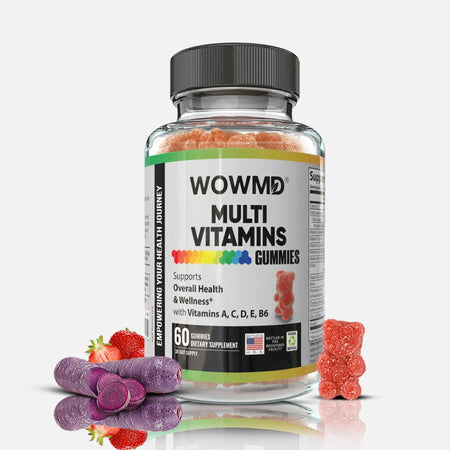

B-12 Complex Liquid

VitaSun Vitamin K2+D3
You May Also Like

Popular Stories
- Best Ayurvedic Supplements of 2026: A Complete Guide to Ingredients, Quality, and Daily Use
- Best Grass-Fed Collagen Peptides: Reviewing the Top Powders
- 4 Best Face Oils for Gua Sha: Top Picks for Smooth, Glowing and Hydrated Skin
- 10 Best Electrolyte Powders for Ultimate Hydration & Recovery
- 6 Best Fast-Acting Melts Oral Strips for Energy in 2026
- 6 Best Oral Strips: Top Picks for Sleep, Relaxation & Nighttime Comfort
References
WOWMD follows strict sourcing guidelines to ensure the accuracy of its content, outlined in our editorial policy. We use only trustworthy sources, including peer-reviewed studies, qualified experts, and information from top institutions.


- The Importance of Vitamin B12 For Individuals Choosing Plant-Based Diets: https://pmc.ncbi.nlm.nih.gov/articles/PMC10030528/
- Is Vitamin D Important in Anxiety or Depression? What Is the Truth? https://pmc.ncbi.nlm.nih.gov/articles/PMC9468237/
- Effect of Vegetarian Diets on Zinc Status: A Systematic Review and Meta-Analysis of Studies in Humans: https://pubmed.ncbi.nlm.nih.gov/23595983/
- https://www.vegetariantimes.com/plant-based-101/8-supplements-every-plant-based-eater-should-consider/
- The Importance of Vitamin K for Bone Metabolism: https://pmc.ncbi.nlm.nih.gov/articles/PMC6040265/
- Selenium as an Antioxidant: Roles and Clinical Applications in Critically Ill and Trauma Patients: https://pmc.ncbi.nlm.nih.gov/articles/PMC11939285/