




Magnesium vs Potassium: What's the Difference and Which One Do You Need?
Magnesium vs Potassium: Key Differences, Benefits, Deficiency Signs, and How to Choose the Right Mineral Support
 By WOWMD Staff

 Fact Checked
Advertiser Disclosure: WOWMD independently vets all recommended products. If you purchase a featured product, we may be compensated. Learn why you can trust us.

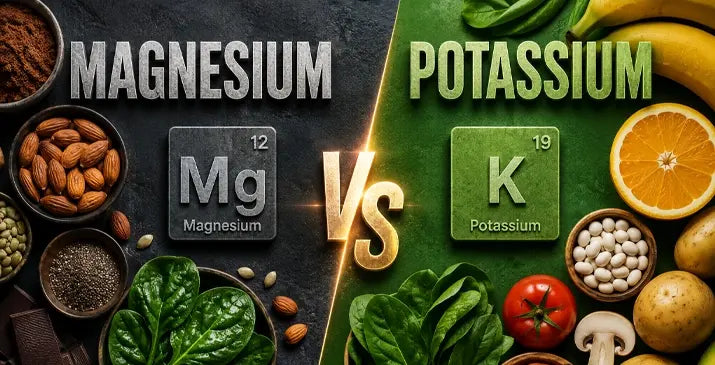
Magnesium vs. potassium, if you've ever wondered which one your body actually needs, the answer is almost certainly both. These two minerals aren't competing priorities. They're essential electrolyte minerals the body depends on every day.
Potassium is best known for supporting blood pressure and heart rhythm. Magnesium is best known for supporting muscle relaxation and sleep quality.
It also plays a role in more than 300 enzymatic reactions that help keep your metabolism running. Despite how critical both are, they're among the most underconsumed minerals in the average American diet, a gap that has real consequences for daily health.
This guide breaks down what each mineral does, how to recognize signs that you may be running low, and how to supplement strategically when diet alone falls short. WOWMD offers expert-recommended magnesium supplements for those looking to bridge that gap with quality, science-backed options.
Both minerals play important roles, but understanding why is the first step toward helping your body function more effectively.
TL;DR
- Both magnesium and potassium are essential minerals that most Americans don't get enough of.
- Magnesium supports muscle relaxation and sleep; potassium helps regulate blood pressure and heart rhythm.
- Only a blood test can determine which deficiency is low, as fatigue and cramping are present in both.
- Taking both together is generally safe and may improve potassium retention.
What Are Magnesium and Potassium — and Why Do They Matter?
When it comes to magnesium vs potassium, it's important to remember one simple fact: your body cannot produce either mineral on its own. Both have to come from food or supplementation, and both are classified as electrolyte minerals. That means they carry an electrical charge that helps cells communicate, contract, and function properly.
Magnesium is the fourth most common mineral in the body. It supports hundreds of processes the body runs every day, from converting food into energy and regulating blood sugar to building proteins and keeping nerves functioning properly.
It also plays a direct role in muscle contraction and helps cells produce ATP (adenosine triphosphate), the energy source your body relies on for daily movement and recovery. When magnesium levels fall short, energy may dip, muscles may feel tighter, and recovery may take longer than expected.
Potassium works more quietly in the background, but its effects are felt throughout the body. It supports muscle contractions, enables proper nerve signaling, and helps maintain fluid balance inside cells.
It is also essential to the sodium-potassium pump, a system in cell membranes that helps move nutrients, maintain fluid balance, and support healthy nerve and muscle function. Potassium also plays an important role in helping maintain blood pressure by balancing the effects of sodium.
When potassium intake is too low, muscle weakness, low energy, and heart rhythm changes may become more noticeable. Like magnesium, it also helps the body produce and use energy efficiently at the cellular level.
Dr. Jonathan Spages, says, "Magnesium and potassium are minerals that are essential for your body to properly work. To make most of your energy, assist your muscle recovery, and regulate your blood sugar, you need to ensure that you take an adequate amount of magnesium. Aside from that, potassium also helps in controlling the liquids in your body - supporting muscle movement, and improving signals of your nerves to keep a steady heart beat."
Both minerals are critically underconsumed. Research cited by the NIH suggests that 48% of Americans don't meet the recommended daily intake for magnesium, and potassium intake is similarly low across Western diets.
The comparison of magnesium vs potassium is less about choosing between them and more about recognizing that most people may need more of both. The question worth asking isn't which mineral is more important, it's which one, or which combination, your body is currently missing.
Advertisement

 *All individuals are unique. Your results can and will vary.
Magnesium vs Potassium Benefits: What Each Mineral Does Best
While magnesium vs potassium is a common comparison, these minerals are better understood as partners than competitors. Each has well-defined strengths, and knowing what each one does best helps clarify why both deserve attention.
Magnesium’s primary benefits involve muscle function, nervous system balance, and metabolic health. Together, these roles can affect how the body feels and performs each day.
One of its most recognized roles is helping muscles fully relax after they contract. Without enough magnesium, muscles can stay in a tense or contracted state longer than they should, which is why cramping and persistent tension are among the most common signs that levels may be low.
For those dealing with muscle discomfort, magnesium for muscle pain is a well-supported supplementation focus. Magnesium also supports the natural processes that help the brain relax and prepare for sleep, which is why low levels are so commonly linked to difficulty settling down at night, making magnesium for sleep a practical consideration for anyone struggling with rest.
Magnesium also helps the body manage stress more effectively by supporting healthy cortisol levels, assists in keeping blood sugar stable, and plays a quiet but meaningful part in bone strength, with roughly 60% of the body's magnesium stored in bone tissue.
Potassium's primary benefits are most prominent in heart health and fluid balance. One of its most important responsibilities is helping balance the effect that sodium has on blood pressure.
When potassium intake is sufficient, blood vessels can relax more easily, which supports healthier blood pressure readings over time.
"When we say magnesium, it is often linked with improving sleep, relaxing your muscles, making your bones stronger, and stabilizing your energy levels. On the other hand, potassium helps in improving your heart function. It is also helpful in regulating your blood pressure and making sure that your muscle activities are all good." Explains, Dr. Jonathan Spages.
The NIH Office of Dietary Supplements recognizes potassium's contribution to normal heart rhythm and healthy muscle contractions, including in the heart muscle itself, and helps cells maintain proper fluid balance.
Getting enough potassium through diet has also been associated with a lower risk of kidney stones and stroke in the Clinical Journal of the American Society.
Both minerals support heart health, nerve signaling, and the body's ability to produce and use energy, and neither is optional for daily function. For a closer look at what magnesium brings on its own, magnesium benefits offer a more detailed breakdown.
When potassium vs magnesium comes up in a health context, the most accurate answer is usually that both are worth addressing together.
Signs of Low Magnesium vs Low Potassium: Know the Difference
Recognizing a potential mineral deficiency isn't always straightforward, but the symptoms of each mineral deficiency follow recognizable patterns.
When comparing magnesium vs potassium from a deficiency perspective, there are distinct warning signs for each, though the overlap between the two makes it difficult to identify the cause without a blood test.
Low magnesium tends to show up in ways that affect the nervous system and muscles first. Common signs include muscle cramps and twitches, difficulty falling or staying asleep, anxiety, irritability, and brain fog.
Fatigue, headaches, and constipation are also frequently reported, constipation in particular is often overlooked but consistently linked to low magnesium intake. If these patterns sound familiar, magnesium for constipation and the broader magnesium deficiency resource are worth reviewing for more context.
Low potassium presents somewhat differently. Muscle weakness is one of the most common signs, particularly in the legs, and it often comes alongside fatigue, elevated blood pressure, constipation, and tingling or numbness. Irregular heartbeat can also occur, and any heart-related symptoms should be brought to a healthcare provider promptly rather than managed on your own.
The practical challenge is that both mineral deficiencies share muscle cramps and fatigue as symptoms, making it genuinely difficult to determine which is the underlying cause without testing.
There's also a physiological connection worth understanding: research published in the Journal of the American Society indicates that low magnesium can impair the body's ability to retain potassium, meaning the two deficiencies frequently co-exist. Addressing magnesium status may therefore support potassium retention as well.
For anyone experiencing these symptoms consistently, a healthcare provider can order a blood panel to confirm levels of both minerals. Potassium gluconate is one supplementation option worth discussing with a provider if potassium levels are confirmed to be low.
How Much Magnesium and Potassium Do You Need?
Knowing how much of each mineral your body actually needs makes it easier to spot where your diet may be falling short, and where a supplement could help fill the gap.
According to Harvard T.H. Chan’s The Nutrition Source, adults need 400-420 mg of magnesium daily for men and 310-320 mg for women, targets that most people don’t consistently reach through food alone. This is why magnesium supplementation is both widely used and broadly appropriate for healthy adults.
The form of magnesium matters when choosing a supplement. Magnesium glycinate is generally favored for sleep and relaxation due to its high absorption and gentle effect on the digestive system.
Magnesium citrate tends to support digestive function and is a practical choice for those dealing with constipation alongside low magnesium. For a broader mineral formula, calcium magnesium zinc combine supportive minerals in a single supplement, a useful option for those addressing multiple gaps at once.
Adults need between 2,600 and 3,400 mg of potassium per day, but over-the-counter potassium supplements are limited to 99 mg per serving, meaning supplements alone can't realistically close that gap.
Food is the most practical and appropriate way to meet daily potassium needs, with bananas, sweet potatoes, spinach, and avocados among the most reliable sources. Potassium supplements work best as a complement to a potassium-conscious diet, not a replacement for one.
Taking magnesium and potassium together is generally considered safe and may work better than supplementing either mineral alone, since the two are closely connected in how the body absorbs and retains them.
Combination formulas exist for exactly this reason. For a closer look at how to use both magnesium and potassium supplements effectively, walk through the practical considerations in detail.
Both supplements are best taken with food. Anyone with kidney conditions, heart concerns, or taking medications affecting electrolyte balance should consult a healthcare provider before starting either supplement.
Advertisement

 *All individuals are unique. Your results can and will vary.
Best Food Sources of Magnesium and Potassium
Supplementation works best when it builds on a solid dietary foundation. For both minerals, food-first remains the most reliable starting point, and some foods deliver meaningful amounts of both in a single serving.
Top magnesium-rich foods include dark leafy greens such as spinach, pumpkin seeds, almonds, black beans, dark chocolate, avocado, and whole grains. These foods vary in magnesium concentration; eating a variety of them regularly helps the body maintain steadier levels day to day.
Potassium-rich foods follow a partially overlapping list: bananas, sweet potatoes, avocados, white beans, salmon, beet greens, coconut water, and spinach are among the most concentrated sources.
Avocado and spinach stand out as practical wins for anyone trying to address both minerals through diet, each provides a meaningful contribution to potassium vs magnesium intake without requiring separate food strategies.
Two factors worth knowing about can quietly reduce how much of these minerals you actually get from food. Soil quality has declined over decades, meaning crops today often contain less magnesium and potassium than they once did.
Heavy food processing also strips out more of them. Cooking method also matters, boiling vegetables causes potassium to leach into the water, while steaming or roasting helps preserve more of what's naturally there.
For those who struggle to hit dietary targets consistently, high-quality supplementation can bridge the gap without replacing good dietary habits. Options like magnesium gummies make it easy to stay consistent without reaching for a traditional capsule every day.
Taking Magnesium and Potassium Together: Is It Safe?
For most healthy adults, taking magnesium and potassium together is generally safe, and there's good reason to think it may be more effective than taking either mineral alone.
A review published in the American Journal of Cardiology notes that low magnesium can weaken the body's ability to retain potassium, meaning that correcting magnesium status first may actually improve potassium balance.
This physiological relationship is why combination mineral formulas are widely used and make practical understanding for people addressing deficiencies in both.
Magnesium and potassium together are found in multi-mineral supplements designed with this synergy in mind, and calcium magnesium zinc is a practical example of a formula that addresses both minerals alongside other complementary nutrients.
For anyone newer to supplementation and unsure where to begin, magnesium is generally the more straightforward starting point, it's well-researched, widely tolerated, and most adults can safely supplement up to 350 mg per day according to established dietary guidance.
That said, certain groups should check with a healthcare provider before combining both. People with kidney disease or those taking medications that affect fluid and electrolyte balance need to be careful, these conditions and medications can change how the body manages potassium levels, sometimes in ways that are difficult to notice without regular monitoring.
WOWMD's magnesium supplements are science-backed and made in the USA, offering a reliable starting point for anyone looking to address magnesium vs potassium gaps with quality supplementation. A healthcare provider can help confirm which minerals to prioritize based on individual health status and lab results.
Magnesium Vs Potassium: Your Wellness Takeaways
Magnesium vs potassium ultimately comes down to this: both minerals are essential, widely underconsumed, and deserve a place in a well-rounded approach to daily health. They serve different primary roles.
Magnesium is best known for supporting muscle relaxation, sleep quality, and stress balance. Potassium is more closely tied to blood pressure, heart rhythm, and fluid balance. Even so, both minerals contribute to heart health, nerve function, and steady energy throughout the day.
For most people following a typical Western diet, the more relevant question is how to get enough of both. Food-first remains the best foundation, but dietary gaps are common enough that supplementation is a practical and well-supported strategy for bridging the difference.
WOWMD offers expert-recommended, science-backed magnesium supplements made in the USA, a trusted option for those looking to support their mineral intake with quality products. Explore the magnesium complex collection to find the right form for your health goals.
Advertisement

 *All individuals are unique. Your results can and will vary.
Individual results may vary. Supplements are not intended to diagnose, treat, cure, or prevent any disease. Consult your healthcare provider before starting any supplement regimen, especially if you have kidney or heart conditions.
FAQs
Meet the Expert
- Dr. Jonathan Spages, Dr at Advanced Natural Health Center, Dunedin, Florida, United States.
Our Top Picks

MgBalance Magnesium Powder

Hydra Blast

Nitric Shock Pre-Workout
You May Also Like



Popular Stories
- Best Ayurvedic Supplements of 2026: A Complete Guide to Ingredients, Quality, and Daily Use
- Best Grass-Fed Collagen Peptides: Reviewing the Top Powders
- 4 Best Face Oils for Gua Sha: Top Picks for Smooth, Glowing and Hydrated Skin
- 10 Best Electrolyte Powders for Ultimate Hydration & Recovery
- 6 Best Fast-Acting Melts Oral Strips for Energy in 2026
- 6 Best Oral Strips: Top Picks for Sleep, Relaxation & Nighttime Comfort
References
WOWMD follows strict sourcing guidelines to ensure the accuracy of its content, outlined in our editorial policy. We use only trustworthy sources, including peer-reviewed studies, qualified experts, and information from top institutions.


- Magnesium - Health Professional Fact Sheet https://ods.od.nih.gov/factsheets/Magnesium-HealthProfessional/
- Potassium - Health Professional Fact Sheet https://ods.od.nih.gov/factsheets/Potassium-HealthProfessional/
- Mechanism of hypokalemia in magnesium deficiency - PubMed https://pubmed.ncbi.nlm.nih.gov/17804670/
- Magnesium • The Nutrition Source https://nutritionsource.hsph.harvard.edu/magnesium/
- Physiology of magnesium metabolism and the important role of magnesium in potassium deficiency - PubMed https://pubmed.ncbi.nlm.nih.gov/2650512/
- Dietary Protein and Potassium, Diet–Dependent Net Acid Load,... : Clinical Journal of the American Society of Nephrology https://journals.lww.com/cjasn/abstract/2016/10000/dietary_protein_and_potassium,_diet_dependent_net.17.aspx
- Magnesium Matters: A Comprehensive Review of Its Vital Role in Health and Diseases
https://pmc.ncbi.nlm.nih.gov/articles/PMC11557730/ - Combined calcium, magnesium and potassium supplementation for the management of primary hypertension in adults https://pmc.ncbi.nlm.nih.gov/articles/PMC12515542/