




Magnesium for Period Cramps: Does It Actually Work?
Learn how magnesium may support menstrual comfort by reducing cramp intensity, balancing hormones, and improving overall PMS symptoms naturally.
 By WOWMD Staff

 Fact Checked
Advertiser Disclosure: WOWMD independently vets all recommended products. If you purchase a featured product, we may be compensated. Learn why you can trust us.

Introduction
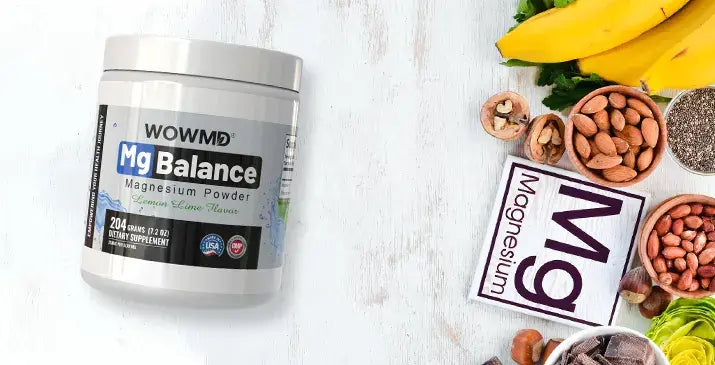
Magnesium for period cramps is gaining attention as research suggests this essential mineral may help reduce menstrual pain by promoting muscle relaxation and calming the inflammation that drives cramping. Magnesium works in part by counteracting prostaglandins, the hormone-like compounds responsible for painful uterine contractions, and many women don’t get enough magnesium, which may worsen cramp severity. Many experts also recommend magnesium glycinate as one of the most effective forms due to its high absorption and calming effect on the nervous system.
In this guide, we’ll cover the science behind magnesium and menstrual cramps, the best forms of magnesium for PMS and period support, how to take magnesium effectively, and what to look for in a high-quality supplement. WOWMD focuses on expert-recommended, science-backed magnesium supplements designed to support women’s health, muscle relaxation, and overall menstrual comfort.
To understand why magnesium can help with cramps, it’s important to first understand why low magnesium levels are linked to more painful periods and stronger uterine contractions.
TL;DR:
- Magnesium for period cramps may help reduce pain by relaxing uterine muscles and lowering prostaglandins.
- Magnesium PMS support may also help with mood swings, bloating, fatigue, and sleep.
- Start taking magnesium 1–2 weeks before your period for best results.
- Magnesium glycinate is often the best magnesium for period cramps due to its high absorption and calming effects.
- Typical dosage is 250–400 mg daily, but consult a healthcare provider for personalized advice.
Why Magnesium Deficiency Makes Period Cramps Worse
Magnesium period cramps are closely connected because magnesium plays a critical role in muscle relaxation, nerve signaling, and hormone balance. This mineral is involved in more than 300 enzymatic reactions in the body, many of which regulate muscle contraction and relaxation including the muscles of the uterus. When magnesium levels are low, muscles are more likely to contract intensely and relax slowly, which can make uterine contractions more painful during menstruation.
Lucy Konakciu, Plant-Based Holistic Health Coach explains, “Magnesium helps relax tight, reactive muscles in the reproductive area, which can ease the intensity of menstrual cramps. By calming the nerves and reducing overall muscle tension, magnesium can help the body move out of a reactive state, making period discomfort feel less sharp and less prolonged.”
Low magnesium levels are also associated with common magnesium deficiency symptoms such as fatigue, headaches, irritability, anxiety, and increased PMS symptoms. Many women notice that when their diet is low in magnesium, their PMS symptoms, including cramping, mood changes, and bloating, become worse.
Another important factor is the balance between magnesium and calcium. Calcium stimulates muscle contraction, while magnesium supports muscle relaxation. When magnesium levels are low, calcium activity becomes more dominant, which can increase uterine contractions and intensify cramping. This is one reason magnesium is often recommended for muscle tension and menstrual cramps. You can see similar benefits in magnesium for muscle pain, where muscle relaxation is a key benefit.
According to the NIH Office of Dietary Supplements, many people do not meet the recommended daily intake for magnesium, and women may be at higher risk due to hormonal changes and monthly blood loss.Instead of many people are low you could say something like according to a NHANES study conducted in 2013-2016 found that 48% of Americans did not reach the recommended amount of Magnesium from food and beverage alone. More research is needed on our current magnesium status in the United States.
While magnesium can be obtained from foods like leafy greens, nuts, seeds, and dark chocolate, many modern diets fall short. As we explain in our guide on magnesium benefits for women, this mineral plays a central role in PMS symptoms, hormone regulation, and menstrual comfort.
Advertisement


How Magnesium Reduces Menstrual Cramps: The Science Explained
Does magnesium help period cramps? The science suggests that it can, and the reason comes down to how magnesium affects prostaglandins, muscle contraction, inflammation, and pain signaling.
One of the main causes of menstrual cramps is the release of prostaglandins, hormone-like compounds released during menstruation that trigger uterine contractions. High prostaglandin levels lead to stronger contractions and more pain, a condition known as dysmenorrhea. A clinical study suggests that magnesium appears to help reduce prostaglandin synthesis and calm uterine muscle activity, which may reduce cramp intensity. This is one of the main reasons magnesium is often recommended as a supportive nutrient for women who experience moderate to severe menstrual cramps.
Magnesium also has a calcium channel blocker effect, meaning it helps regulate how calcium enters muscle cells. Calcium triggers muscle contraction, while magnesium helps muscles relax. When magnesium levels are sufficient, it prevents excessive calcium activity, reducing prolonged uterine contractions and muscle spasms. This balance between calcium and magnesium is essential for proper muscle function, including the smooth muscles of the uterus.
Magnesium also supports GABA, a calming neurotransmitter that helps regulate pain perception, stress response, and mood. This is important because many women experience increased pain sensitivity, anxiety, irritability, and sleep disturbances before and during their period. By supporting the nervous system, magnesium may help the body cope better with both the physical and emotional stress of menstruation. add more research is needed to examine the relationship between Magnesium and GABA
Clinical research on magnesium for menstrual cramps suggests supplementation may help reduce pain severity and decrease the need for pain medication in women with primary dysmenorrhea. Magnesium also has anti-inflammatory effects and may help reduce bloating, fluid retention, and other PMS symptoms. You can read more about magnesium’s anti-inflammatory benefits in this guide on magnesium for inflammation.
Research suggests magnesium is often paired with Vitamin B6, which may further support mood balance, hormone regulation, and PMS symptom relief. Together, these nutrients can help address both the physical and emotional symptoms that often occur before and during menstruation. Because magnesium supports muscle relaxation, inflammation control, and nervous system regulation at the same time, it is considered one of the most well-rounded supplements for menstrual health support.
How and When to Take Magnesium for Period Cramps
When using magnesium for period support, consistency is more important than timing alone. Research on Magnesium PMS found that reduced magnesium (Mg) levels have been reported in women affected by premenstrual syndrome (PMS). Menstrual cramps commonly use a dosage range of 250–400 mg of elemental magnesium per day. Though individual needs vary. It’s best to start with a lower dose and increase gradually if needed. add consult your doctor about correct dosage if unsure
Supplement timing for periods is important. Many healthcare professionals recommend starting magnesium 1–2 weeks before your period begins, during the luteal phase of your cycle. Taking magnesium consistently during this time may help reduce PMS symptoms and make cramps less severe once menstruation starts. Some women continue taking magnesium throughout their entire cycle to help maintain stable magnesium levels and support ongoing hormone regulation.
Magnesium is often best taken in the evening because it promotes relaxation and supports sleep, which can be especially helpful when cramps interfere with rest. A magnesium glycinate supplement taken before bed is often recommended because it supports relaxation and muscle recovery. Some people prefer magnesium gummies as a convenient way to build a consistent supplement routine, especially if they have trouble swallowing pills.
Magnesium may also help with menstrual bloating, fatigue, and mood changes, so it works best as part of a broader PMS support routine that includes hydration, balanced nutrition, and gentle movement. Reducing caffeine and processed sodium may also help reduce water retention and PMS symptoms. Eating magnesium-rich foods such as leafy greens, pumpkin seeds, almonds, and dark chocolate can also support your supplementation routine.
Organizations like the American College of Obstetricians and Gynecologists (ACOG) emphasize lifestyle approaches such as nutrition, sleep, and stress management as part of dysmenorrhea management, which means supplements like magnesium work best as part of a holistic routine rather than a single quick fix.
Advertisement


Best Magnesium Supplements for Period Cramps: Which Form to Choose
If you’re looking for the best magnesium for period cramps, the form you choose matters because different types vary in magnesium bioavailability and digestive tolerance.
Magnesium glycinate is often recommended as the top choice for menstrual cramps and PMS symptoms because it is highly absorbable and gentle on the stomach. The glycine component also has calming properties that may help with mood, sleep, and pain sensitivity. Many people looking for magnesium glycinate for period cramps choose this form because it supports both muscle relaxation and nervous system health, which is important for both cramp relief and PMS mood symptoms. Those using magnesium glycinate for PCOS also favor this form, as hormonal imbalances associated with PCOS can worsen cramping and mood disruption.
Magnesium citrate is another common option with good absorption, though it may have a mild laxative effect at higher doses. This may help with constipation that sometimes occurs during periods, but it may not be ideal for those with sensitive digestion. Some people prefer to use citrate earlier in the day and glycinate at night to balance digestive comfort and relaxation benefits.
Magnesium oxide has low bioavailability, meaning less magnesium is absorbed by the body, so it is generally not recommended for menstrual cramps or PMS support. While it is often cheaper and widely available, it is not typically the best choice if your goal is to improve magnesium levels and reduce PMS symptoms effectively.
Magnesium bisglycinate and other chelated magnesium forms are also excellent options because they are well absorbed and gentle on digestion. You can also find magnesium bisglycinate supplements specifically formulated for high absorption and sensitive stomachs.
Some women also use topical options like magnesium spray applied to the lower abdomen or lower back for localized muscle relaxation during cramps. While topical magnesium should not replace oral supplementation, it may be helpful as a complementary approach for muscle comfort and relaxation during more painful cycles.
When choosing a magnesium supplement, it’s important to review the product label carefully to ensure quality and safety. Look for products that are third-party tested, as independent testing helps verify purity, potency, and the absence of contaminants. Many consumers also prefer products manufactured in the USA, as these are typically produced under strict quality and safety standards such as Good Manufacturing Practices (GMP).
Is Magnesium Safe to Take for Period Cramps? Side Effects to Know
Magnesium is generally considered safe for most healthy adults when taken within recommended doses. When using magnesium for period cramps or magnesium PMS support, the most common side effect is digestive upset, including loose stools or diarrhea. This is more common with magnesium citrate or oxide and less common with glycinate forms.
Taking magnesium with food can reduce digestive issues, and starting with a lower dose before increasing gradually can help your body adjust. Taking too much magnesium may cause nausea, diarrhea, or low blood pressure, so it’s important to stay within recommended dosage ranges.
People with kidney disease should consult a healthcare provider before taking magnesium because the kidneys regulate magnesium levels in the body. Magnesium may also interact with certain medications, including antibiotics, diuretics, and osteoporosis medications. For a full breakdown, see this guide on magnesium side effects.
Magnesium supplements are not a substitute for medical care if cramps are severe or related to conditions such as endometriosis or fibroids, but they may help support PMS symptoms and dysmenorrhea when used appropriately.
Advertisement


Support Your Cycle Naturally with the Right Magnesium Supplement
Magnesium for period cramps is one of the most well-researched natural options for supporting relief from menstrual cramps and PMS symptoms. Magnesium helps by promoting muscle relaxation, reducing inflammation, and supporting hormone regulation, all of which play an important role in menstrual health.
Research indicates that many women find that magnesium works best when taken consistently, especially in the week or two before their period begins. Over time, consistent use may help reduce cramp severity, improve mood, reduce bloating, and support better sleep during your cycle.
If you’re looking for the best magnesium for period cramps, choosing a high-quality, well-absorbed form like magnesium glycinate or magnesium bisglycinate is a good place to start. WOWMD offers expert-recommended, science-backed magnesium supplements made in the USA and backed by a 60-day money-back guarantee.
Explore our magnesium collection to find the right form for your wellness routine. Individual results may vary. Supplements are not intended to diagnose, treat, cure, or prevent any disease. Always consult your healthcare provider before starting any supplement regimen.
FAQs
Meet The Expert
- Lucy Konakciu Holistic Health Coach, Certified in Plant-Based Nutrition
Our Top Picks

Magnesium Glycinate

Myo D-Chiro Inositol

She Desire
You May Also Like

Popular Stories
- Best Ayurvedic Supplements of 2026: A Complete Guide to Ingredients, Quality, and Daily Use
- Best Grass-Fed Collagen Peptides: Reviewing the Top Powders
- 4 Best Face Oils for Gua Sha: Top Picks for Smooth, Glowing and Hydrated Skin
- 10 Best Electrolyte Powders for Ultimate Hydration & Recovery
- 6 Best Fast-Acting Melts Oral Strips for Energy in 2026
- 6 Best Oral Strips: Top Picks for Sleep, Relaxation & Nighttime Comfort
References
WOWMD follows strict sourcing guidelines to ensure the accuracy of its content, outlined in our editorial policy. We use only trustworthy sources, including peer-reviewed studies, qualified experts, and information from top institutions.


- Office of Dietary Supplements - magnesium https://ods.od.nih.gov/factsheets/Magnesium-HealthProfessional/
- Magnesium--a new therapeutic alternative in primary dysmenorrhea https://pubmed.ncbi.nlm.nih.gov/2675496/
- Oral magnesium successfully relieves premenstrual mood changes https://pubmed.ncbi.nlm.nih.gov/2067759/
- Dysmenorrhea: painful periods https://www.acog.org/womens-health/faqs/dysmenorrhea-painful-periods
- “Just” a painful period: A philosophical perspective review of the dismissal of menstrual pain https://doi.org/10.1177/17455057241255646
- Magnesium Status and Stress: The Vicious Circle Concept revisited https://doi.org/10.3390/nu12123672
- Effects of magnesium and vitamin B6 on the severity of premenstrual syndrome symptoms https://doi.org/10.5681/jcs.2012.026
- Magnesium Matters: A comprehensive review of its vital role in health and diseases https://doi.org/10.7759/cureus.71392
- Magnesium supplementation in pregnancy https://doi.org/10.1002/14651858.cd000937